
Broken Like Pottery
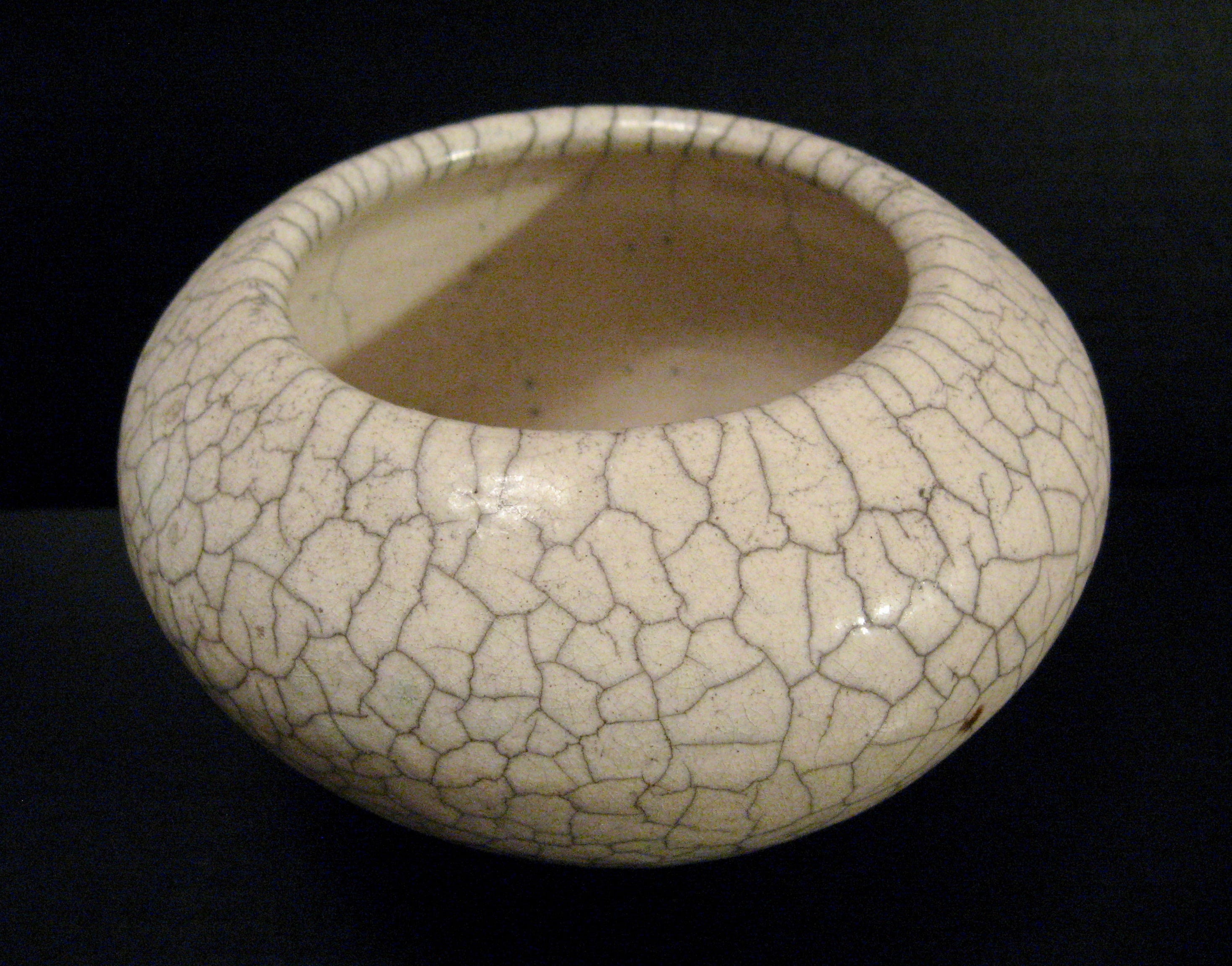
When we have cancer, we want to return to something resembling a normal life. This desire motivates us to keep working on getting better. The treatments put stress on our bodies and minds. And after treatments are done, we may not be able to return to work right away because recovery takes time, especially from surgery, and health insurance doesn’t cover this. This creates additional financial stress, especially if we are at risk of losing our jobs or our homes. Health care should not bankrupt us.
Under this pressure, we can fracture like pottery and no longer feel like we’re able to hold ourselves together.
Fracture lines form that threaten to cause us to fall apart. Yet these cracks, these places where we feel the most vulnerable, are where the compassion of others make it through our protective shells and help us bear our suffering. First we have to acknowledge that we need help.
In the Japanese art of kintsugi, cracks in valuable pottery are repaired with a resin that includes precious metals like gold, silver, or platinum that accent the cracks. It is honoring the experiences of suffering rather than trying to hide them away.
The compassion of others is the resin that binds our life together when we fall apart.
No matter how skillfully the repairs are done, our cracks are still evident, if not to our eyes, then to our fingers as we stroke our surface. The lines we trace through our hearts are the maps of our journeys. The repairs steady us and make us feel strong again.
Feeling broken and being repaired is part of living.
I feel more valuable to others because I have been broken, because I understand something about cancer’s journey of suffering. It has helped me notice where others are broken and taught me the importance of sharing the compassion I’ve received.
A face without lines is a canvas empty of wisdom. Eyes that do not hold sadness have little depth. A heart that hasn’t been broken does not understand the transforming power of love.
© 2026 Mark Liebenow
There is a crack in everything, that's how the light gets in. - Leonard Cohen or Lao Tzu or Merton